Margin
A writer's personal site and digital garden in the register of Maggie Appleton and Craig Mod: one large serif sentence about who she is, essays as photographed cards beside a list of notes tagged seedling, budding or evergreen, the book she is writing with its real progress, patterns, a library of typeset covers, a Now page, an About with her portrait and work elsewhere, and two email lists.
Personal blogs & writing
Iris writes essays and keeps notes on software, notebooks and the slow work of long projects.
Writer and slow builder in Bergen. Currently drafting The Lab Notebook, a book about keeping a paper trail for code.
The Garden
Essays, notes and patterns that grow slowly in public. Nothing here is finished; each piece carries its growth stage, and I tend the older ones as often as I plant new ones. Why a garden
- SeedlingA rough idea, written down so I can find it again.
- BuddingRevised and linked, but still changing shape.
- EvergreenRewritten until it holds. Still edited, rarely.
Long, argued pieces, every other Thursday. 58 so far.
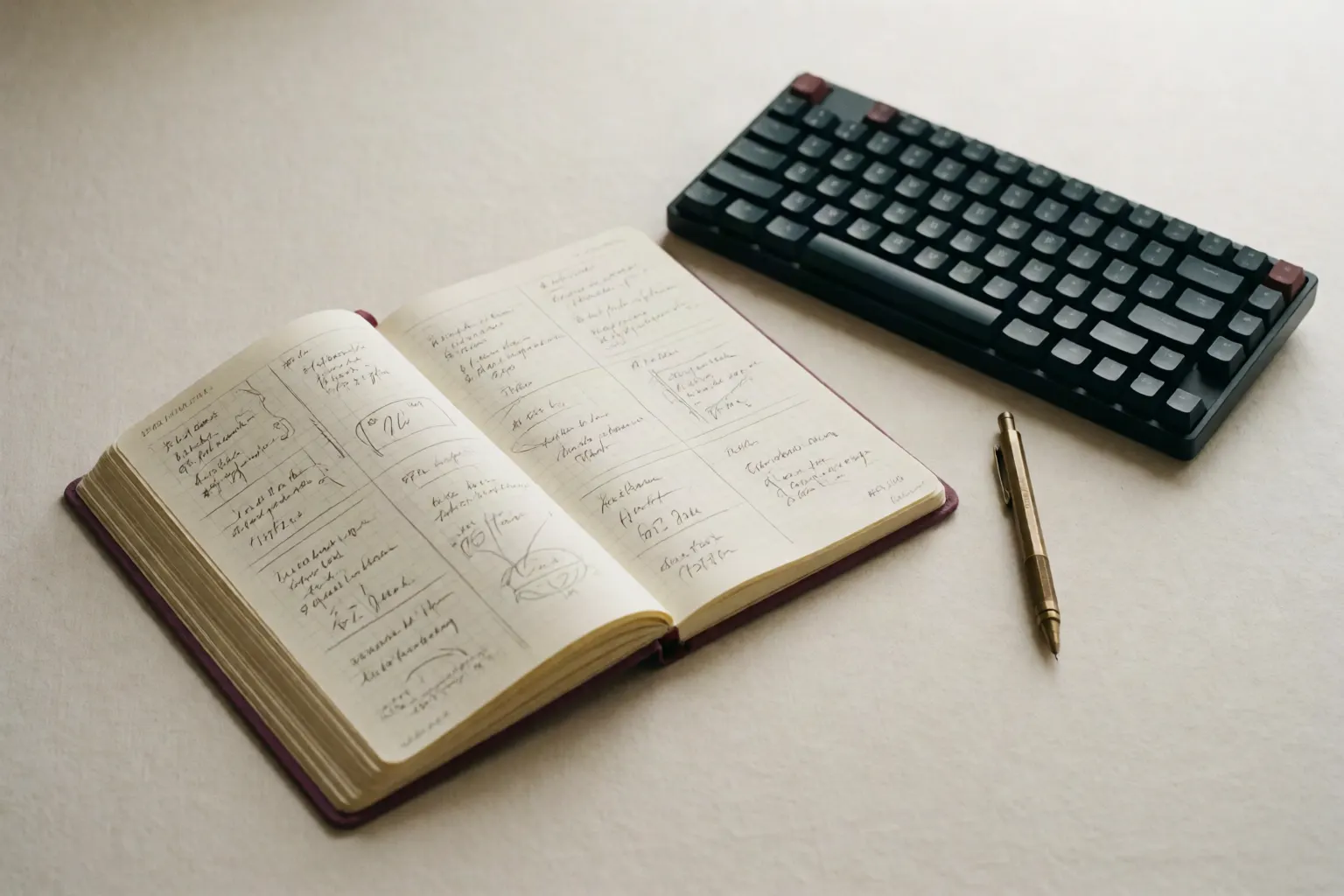
On keeping a lab notebook for code
A paper log of every experiment, every dead end and every why, kept open beside the editor. Four years in, it is the most useful thing on my desk.
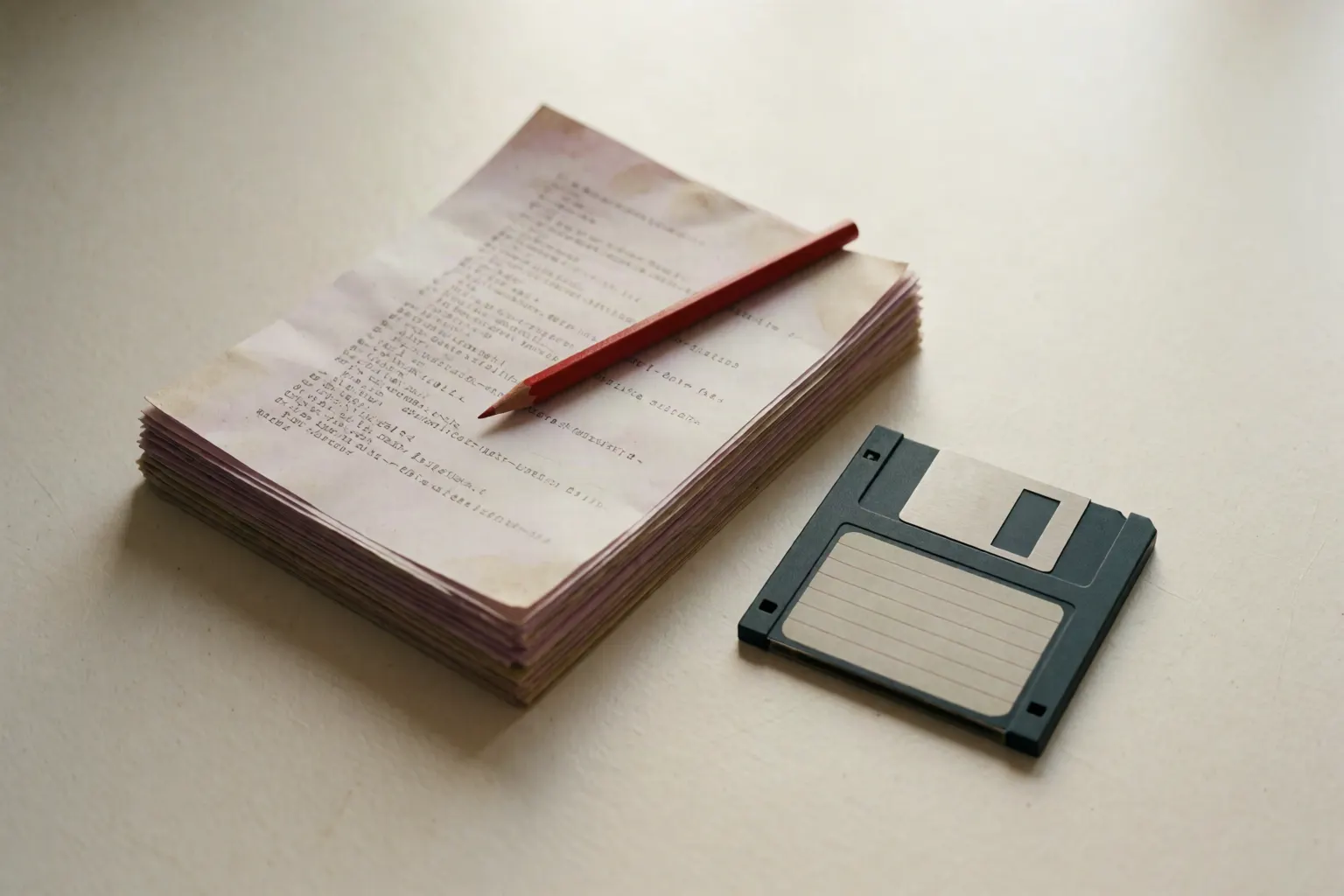
What a ten-year-old codebase remembers
Reading old commit messages the way you would reread a diary.
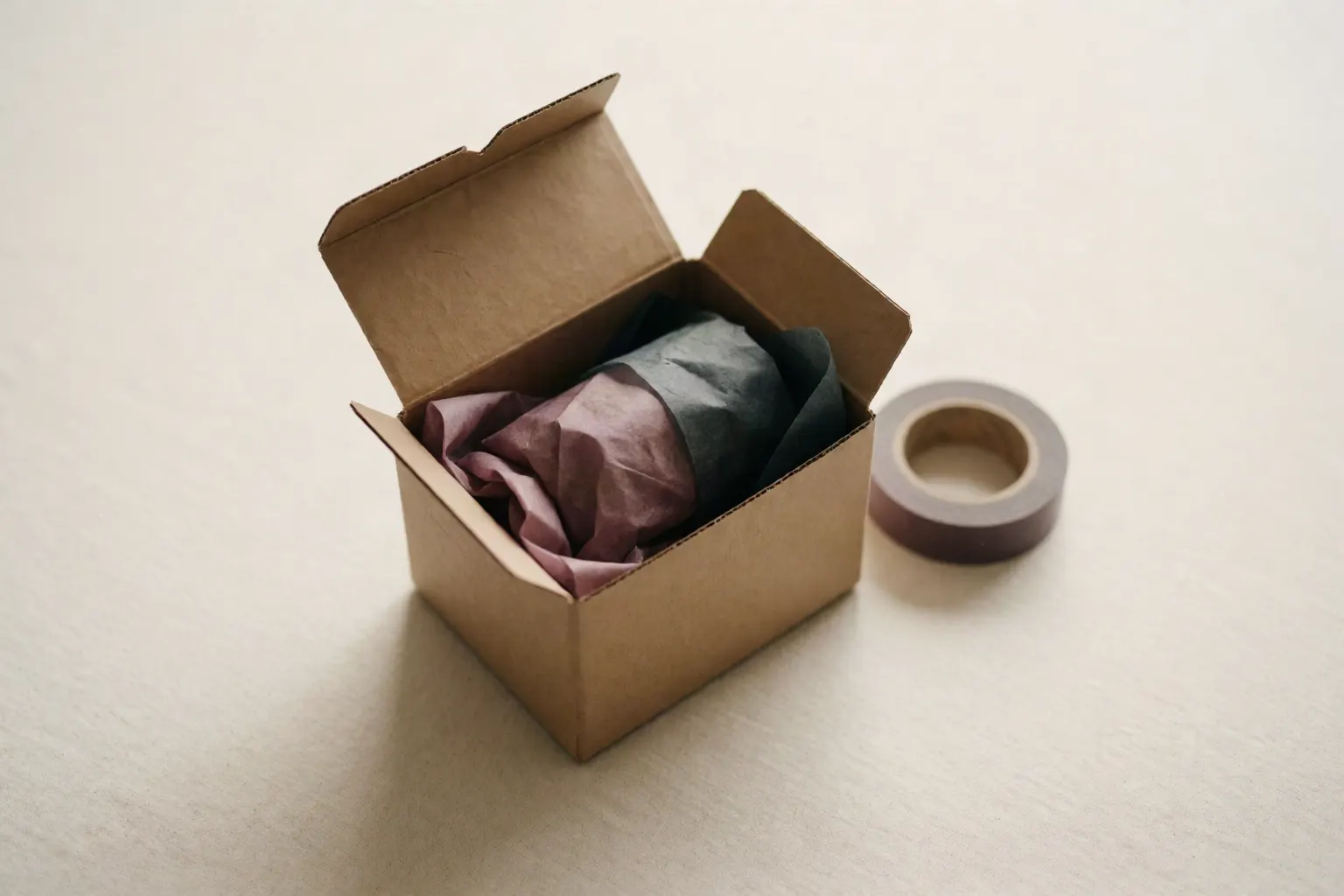
Shipping a version nobody asked for
Putting a rough 0.1 in front of three people instead of planning a 1.0 for none.
Short, unfinished thinking. Tended, not published.
- Commit messages as a diarySeedling · Planted 3 Nov
- The index card is the smallest unit of a projectEvergreen · Tended 1 Nov
- Why I print my code once a yearBudding · Tended 30 Oct
- Writing the README before the codeEvergreen · Tended 27 Oct
- Slow software, a working definitionSeedling · Planted 25 Oct
- Notebooks I have abandoned, and whyBudding · Tended 19 Oct
- What tools for thought forget about forgettingBudding · Tended 12 Oct
- Rain as a scheduling constraintSeedling · Planted 6 Oct

“The first book about programming I have wanted to read with a pencil in my hand.”
An early reader of the first draft
The book I am writing
The Lab Notebook
Keeping a paper trail for code. Out with Northbound Press in autumn 2027.
- 1The page beside the editorDrafted
- 2A short history of the lab bookDrafted
- 3Writing down the whyDrafted
- 4Dead ends are dataDrafted
- 5The daily pageDrafted
- 6Diagrams by handDrafted
- 7Notebooks for teamsDrafted
- 8Reading your own pastDrafted
- 9When the notebook liesDrafted
- 10Paper and the repositoryWriting
- 11Keeping it for ten yearsPlanned
- 12An index of everythingPlanned
Small working habits I keep coming back to, each with the essays that grew it.
- Log before you fixWrite the symptom down before touching the code, so the fix has something to answer.
- The two-notebook systemOne book for the work, one for the thinking about the work.
- Ship to three peopleA first version is done when three named people have used it.
- Rename instead of commentIf a line needs a comment, the name is usually what is wrong.
Books I have read and keep within reach. 140 in the full list, with notes.
Now
What I am focused on at this point in my life, the way a now page should be.
Updated 29 October 2026, from Bergen
- Writing
- Chapter ten of The Lab Notebook, on what belongs on paper and what belongs in the repository.
- Building
- A plain-text index for twelve years of notebooks, so I can search the paper ones too.
- Reading
- Ursula K. Le Guin’s Steering the Craft, slowly, one exercise a week.
- Walking
- Up Fløyen before work when it is not raining. It is usually raining.
- Not doing
- Conferences until the draft is done. Saying no is going better than expected.
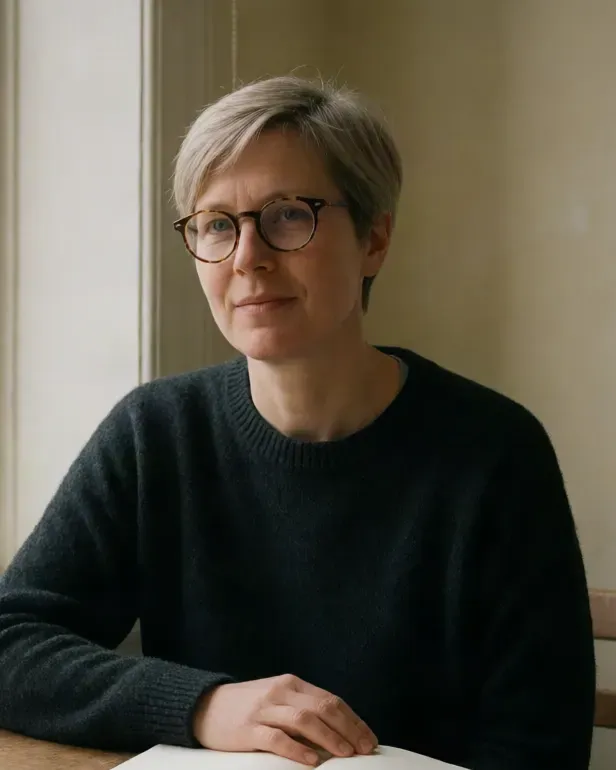
About
I am Iris Halvorsen. I spent fourteen years writing software for libraries and research labs, the last six as a staff engineer, and now I write about that work full time: how we think while we build, and what we keep of it afterwards.
Margin is where that writing lives first. It is a garden rather than a blog, so pieces change after they are posted, and the notes are allowed to be wrong. If one of them is, I would like to hear about it. iris@margin.place
Published elsewhere
- “The notebook is the interface”, Common Room Journal (2026)
- “Against the productivity dashboard”, The Slow Web Review (2025)
- “Old code, read kindly”, Plain Text Quarterly (2024)
Talks
- Paper trails for programmers, Nordic Craft of Code, Oslo (2025)
- Small software, long lives, Tools for Thought Gathering, Lisbon (2025)
- A year of shipping to three people, Bergen Software Meetup (2024)
Get new writing by email
Two lists. Pick one or both.
About 4,300 readers. One click to unsubscribe, no tracking pixels. Or follow by RSS.
About Margin. A person, not a publication: a warm grey-white page, one big serif sentence about who she is, a garden of essays and notes that visibly grow, and a quiet plum link colour.
Margin is the personal home of Iris Halvorsen, a Bergen writer on software, notebooks and long projects. It follows the best independent personal sites rather than a publication: a single large Fraunces sentence that says who she is, then the garden itself, where long essays sit as still-life photo cards beside a ruled list of short notes, each marked with its growth stage. Below come the book in progress (word count, chapter status, a first chapter to read), patterns and a library, a dated Now page, an About with her photograph and her writing and talks elsewhere, and a sign-up with two lists to tick, the way Craig Mod offers his.
Colours and type. The palette, fonts and corners every page of Margin is drawn from.
Fraunces
Lato
4px
The system, applied to any site. Every rule below travels with the template — describe your tweaks and the agent keeps the system intact.
What it decides for you
- Follow the register of the best independent personal sites (Maggie Appleton's digital garden and Craig Mod's site, with Robin Sloan's and Paul Graham's restraint): the person and what they write about come first, the writing is the navigation, and nothing on the page is decoration.
- Open on one large Fraunces sentence (light weight, the first name in bold) that says who the writer is and what they write about, followed by a light Lato line about the current project and a "New here? Start with" row of three italic links.
- Show the garden as two columns: essays as cards with a still-life photograph on the same linen ground (first card wide), and notes as a hairline-ruled list of serif titles; give every piece a growth stage (Seedling, Budding, Evergreen) with a small teal plant glyph and a legend that explains the three stages.
- Use plum (#6E2B57) only for links, the active nav item and the one button style; use fjord teal (#1B6B65) only for growth glyphs, eyebrows and status labels. Links are plum with a soft underline that darkens on hover.
- Give the long project real numbers: words written against the target, a progress bar, every chapter with its status (Drafted, Writing, Planned), a first chapter to read and one quote from an early reader.
- Set the Library as typeset covers built in CSS (title, a short rule, the author in spaced capitals) on token colours, and the Now page as a dated, ruled list of Writing, Building, Reading, Walking and Not doing.
- Offer email the way Craig Mod does: two named lists with checkboxes and a one-line description each, one email field, one Subscribe button, the reader count and "one click to unsubscribe", plus RSS.
- Motion stays quiet: cards lift and their photographs ease on hover, and the manuscript bar fills once; prefers-reduced-motion removes all of it, and every colour reads a token so dark presets work.
Ships with
- Header: a plum mark (a margin rule with a leaf growing from it), the serif wordmark "Margin" and a text nav (Garden, Book, Now, About, Subscribe)
- Hero: one large serif sentence about Iris and what she writes, a line about the book she is drafting, and "New here? Start with" three essays
- The Garden: intro, a three-stage growth legend, then Essays (a wide photo card and two smaller ones, 58 in all) beside Notes (eight ruled entries with stage and tended date, 214 in all)
- The book I am writing: the manuscript photograph and an early reader's quote, then The Lab Notebook with 61,400 of about 80,000 words, a progress bar, twelve chapters with status and a "Read chapter one" button
- Patterns (four working habits with a diamond glyph) beside the Library (five CSS-typeset covers with author and a short note)
- Now: updated 29 October 2026 from Bergen, with Writing, Building, Reading, Walking and Not doing
- About: her portrait at the desk, two paragraphs, and lists of writing published elsewhere and talks
- Get new writing by email: two lists (Margin, every other Thursday; Field Log, monthly) with checkboxes, an email field, Subscribe, the reader count and RSS
- Footer: wordmark and line, The garden / About / Follow columns, licence and "Last tended" date
Keep looking. More from the library, content first.
Browse allMake it yours in minutes.
Start from this template and describe your tweaks — content, sections, colours. The backend and deploy are handled.