code-anything.com
Sign inStart free
Content

Inkwell

An editorial newsletter landing page for a writer's weekly letter, in the register of Every and The Marginalian: a centred serif masthead, the subscribe field in the first screen beside this Sunday's issue, plain reader figures, a rule-divided grid of recent letters, what each issue contains, the writer with her photograph and credentials, readers' words, a Free / Paid / Founding plan table, an archive index, a FAQ and an inverted closing band.

Newsletters & creators building an audience

newsletter.code-anything.app

A weekly letter by Marlow Reade

One good letter, every Sunday at seven.

Essays on writing and the craft of making things, from a novelist at a window desk in Margate. Free to read, with a paid edition for writers who want the workshop.

Free. One email a week. No tracking pixels. Unsubscribe in one click.
Join 12,847 readers: novelists, editors, teachers and people quietly working on something of their own.

Overhead: a stack of handwritten manuscript pages with a black fountain pen on an oak desk beside a cup of black coffee
This Sunday · No. 1481 Nov 2026 · 9 min read

Write the ending first

Why I now draft a novel’s last page before its first, and the small Sunday ritual that gets me there.

Marlow Reade

  • 12,847readers, in 61 countries
  • 148Sundays in a row, none missed
  • 64%open every letter
  • 1,912paid subscribers fund it

Every Sunday

What lands in your inbox at 7 a.m.

Three parts, the same order every week, about twelve minutes with a coffee. Paid subscribers get a fourth, once a month.

  1. 01

    The essay

    1,500 – 2,500 words

    One idea about writing or making things, worked through properly: a habit, a failure, a sentence taken apart.

  2. 02

    The shelf

    3 picks

    A book, a piece of writing from elsewhere and one tool or object I actually used this week, each with a line on why.

  3. 03

    Letters back

    1 reply

    A reader’s question answered in full, with their permission and without their surname.

  4. 04

    The workshopPaid

    Monthly

    One subscriber’s page, line-edited in public with every change explained. Plus the full archive and the comments.

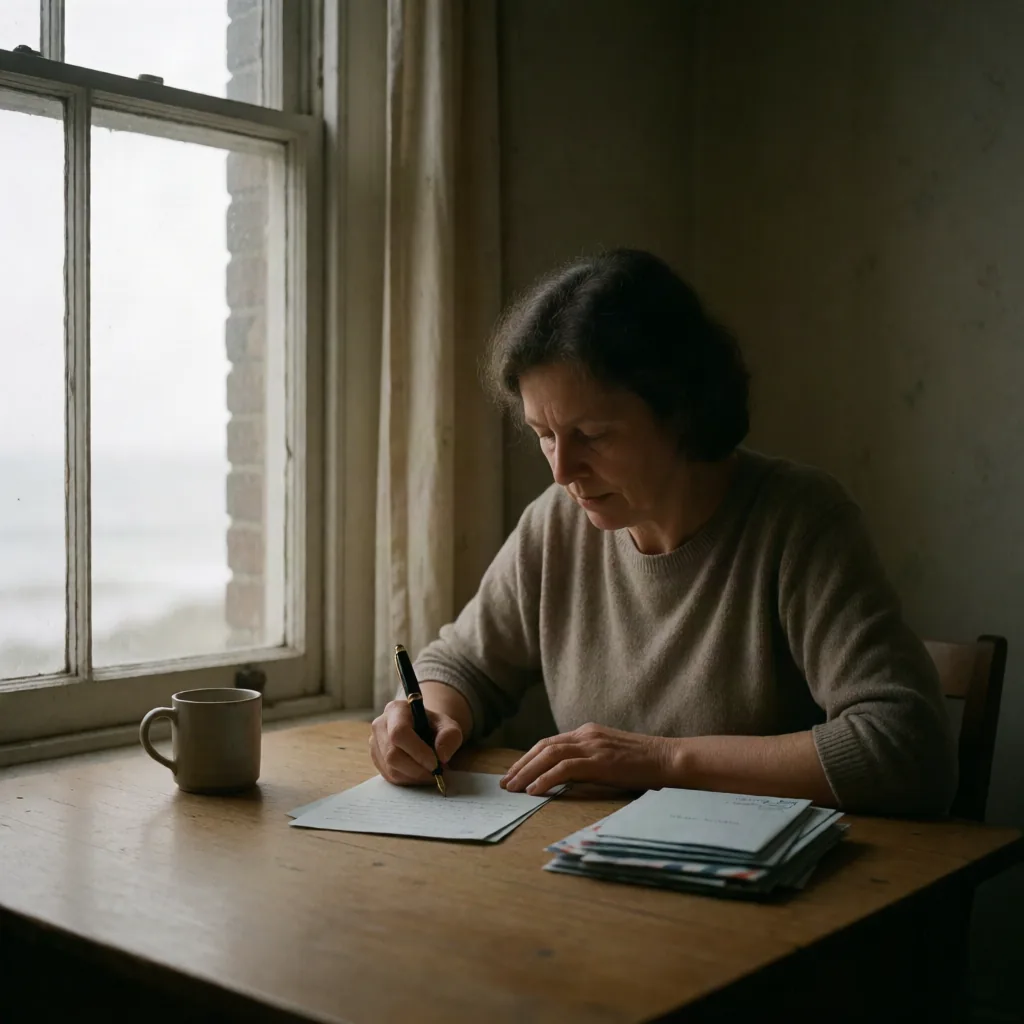
Marlow Reade writing with a fountain pen at a wooden desk by a window over a grey sea, a mug beside her
Marlow at her desk on the seafront, Margate.

The writer

I’m Marlow Reade. I wrote a novel called The Salt Year, and I’ve spent the years since working out how books actually get made. Inkwell is where I write it down, one Sunday at a time.

Before fiction I spent nine years as a newspaper sub-editor, which is where I learned that most sentences improve when you cut them in half. The letter is written by me, edited by me and answered by me.

Writes from
Margate, Kent
Letter No. 1
January 2024
Novel
The Salt Year, 2022
Replies
Every one, in time

Marlow

Letters back

What readers write.

“The only email I open on a Sunday before the kettle has boiled. It has made me a more patient writer.”
Hannah OkaforCopy editor, Leeds
“The workshop letters are a masterclass. Watching Marlow cut a stranger’s page taught me more than a year of craft books.”
Tomás FerreiraPaid subscriber since No. 31
“Short enough to finish over breakfast, good enough that I forward it to my students on Monday.”
Ruth AbernethyTeaches creative writing, Glasgow

Subscribe

Read free, or keep it going.

Free

£0forever

  • The Sunday essay, every week
  • The shelf: three picks
  • Letters back
  • The last 8 letters on the web
Subscribe free
Chosen by most paid readers

Paid

£6a month

or £60 a year, two months free

  • Everything in Free
  • The monthly workshop letter
  • All 148 letters in the archive
  • Comments and the reader thread
  • A seat at the quarterly live Q&A
Become a paid subscriber

Founding

£150a year

for readers who want to fund it

  • Everything in Paid
  • Send a page for the workshop
  • A signed copy of The Salt Year
  • Your name in the yearly thank-you letter
Become a founder

The Sunday essay stays free for everyone; paid readers are why it can. Cancel any time from the footer of any letter. Students and readers who can’t afford it can write in for a free paid subscription, no questions asked.

Questions

Before you subscribe.

When does it arrive?

Every Sunday at 7 a.m. UK time. 148 Sundays so far, none missed. If a week is ever going to be late, you will hear about it on the Saturday.

What does the paid edition add?

A monthly workshop letter in which one subscriber’s page is line-edited in public, the full archive, the comments and the quarterly live Q&A. The Sunday essay stays free for everyone.

Can I reply?

Yes. Replies come straight to Marlow’s inbox, and one each week becomes Letters back. Every reply is read.

Do you track opens or sell my address?

No tracking pixels and no link tracking. Your address is used to send the letter and nothing else, and one click unsubscribes you.

Can I give it as a gift or buy it for a group?

Gift subscriptions run for a year from the date you choose. Writing groups, classes and libraries of five or more pay half.

Next letter · Sunday 8 November, 7 a.m.

One good letter, then the rest of your Sunday.

Join 12,847 readers. No. 149 is already half written.

Free. One email a week. Unsubscribe in one click.

About Inkwell. A serious writer's publication: warm paper, black ink, a serif masthead, documentary photography and one ink-blue Subscribe button.

Inkwell is a newsletter template for a writer who sends one considered letter a week, modelled on how the best writer-led publications (Every, The Marginalian, the flagship Substack and Ghost publications) sell a subscription: as a publication, not a gimmick. Warm paper ground, black ink, Newsreader serif for headlines, decks and quotes, Inter for interface text, one ink-blue accent for every action and one oxblood for eyebrows and the Paid tag. The hero pairs the promise and a one-field subscribe form with this Sunday's issue shown as a real article card (photograph, number, date, reading time, dek, byline). Then a ruled strip of figures, three recent letters in an editorial grid divided by dotted column rules, a numbered anatomy of each issue, the writer's portrait and bio with a facts table, three reader quotes, Free / Paid / Founding plans priced the way Substack prices them, an archive index with issue numbers and dates, a FAQ accordion and an inverted ink band that repeats the form. Every colour reads the palette tokens.

Colours and type. The palette, fonts and corners every page of Inkwell is drawn from.

bg#F6F3EC
surface#FFFDF8
text#18160F
muted#5A5448
accent#1E3A8A
accent2#9C3A21
border#E2DCCF
Headings

Newsreader

Body

Inter

Radius

4px

The system, applied to any site. Every rule below travels with the template — describe your tweaks and the agent keeps the system intact.

What it decides for you

  • Sell it the way the best writer-led publications do (Every, The Marginalian, flagship Substack and Ghost publications): a serif masthead, the subscribe field in the first screen, the latest issue shown as a real article, proof in plain figures. No postage stamps, mascots or ornaments standing in for the writing.
  • Warm paper ground (#F6F3EC), paper-white cards (#FFFDF8), black ink text (#18160F); ink blue (#1E3A8A) only for actions (Subscribe, plan buttons, "Read the letter", links) and one italic word in the headline; oxblood (#9C3A21) only for eyebrows, issue numbers and the Paid tag.
  • Newsreader 400 for headlines, decks, quotes and issue titles with -0.02em tracking; Inter for nav, meta, buttons and body copy; dates, issue numbers and reading times in small uppercase Inter with tabular figures.
  • Structure with rules, not boxes: a black rule under each section head, hairline rules between rows, dotted rules between the three latest-letter columns. Cards only for this Sunday's issue and the three plans.
  • Every issue reads like a publication entry: photograph, "No. 148 · 1 Nov · 9 min", serif title, a one-line dek and, where it applies, a Paid tag.
  • Price it the way Substack does: Free, Paid (monthly with an annual saving) and Founding, the Paid plan outlined in ink blue with a "Chosen by most paid readers" tab; say that the Sunday essay stays free.
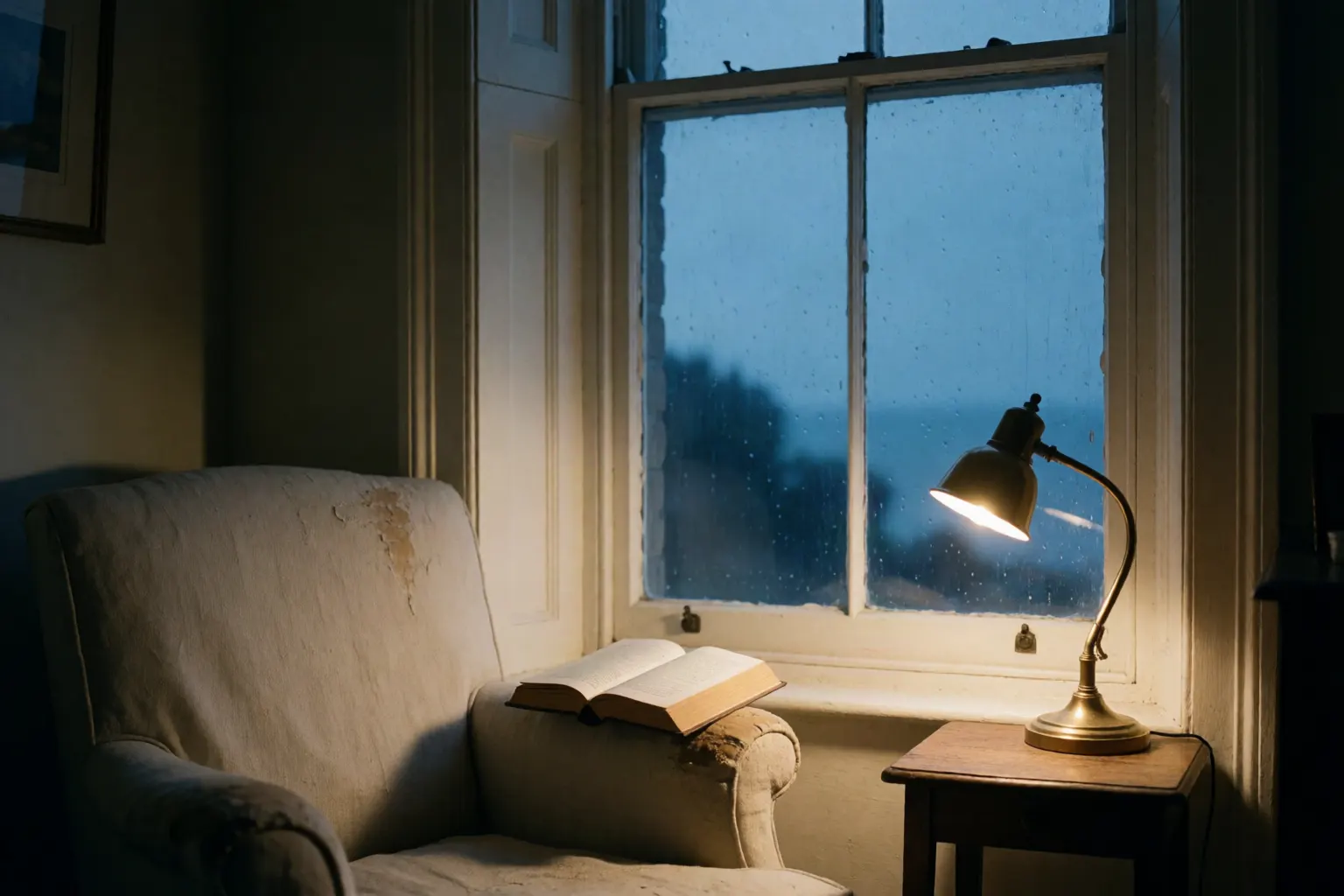
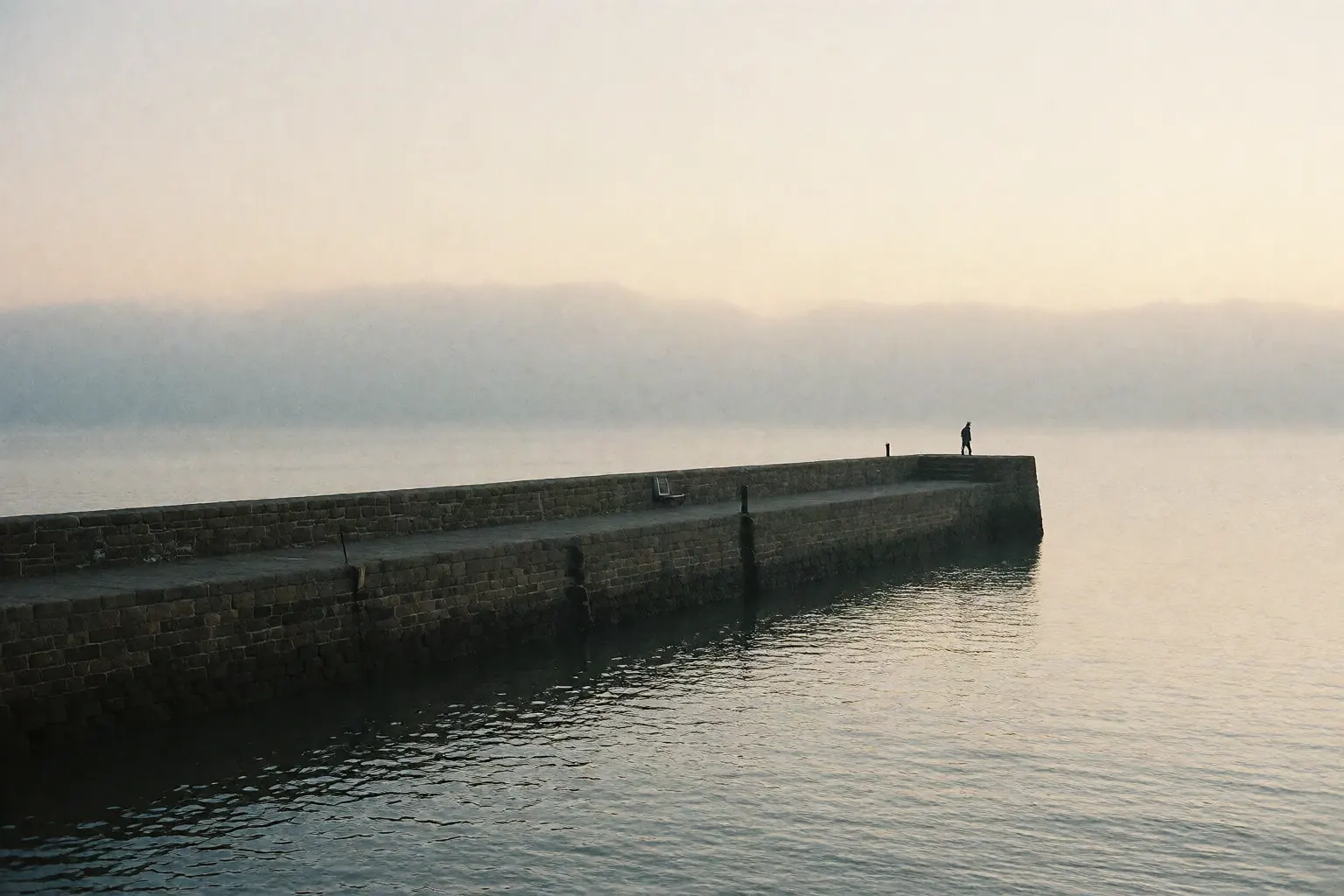
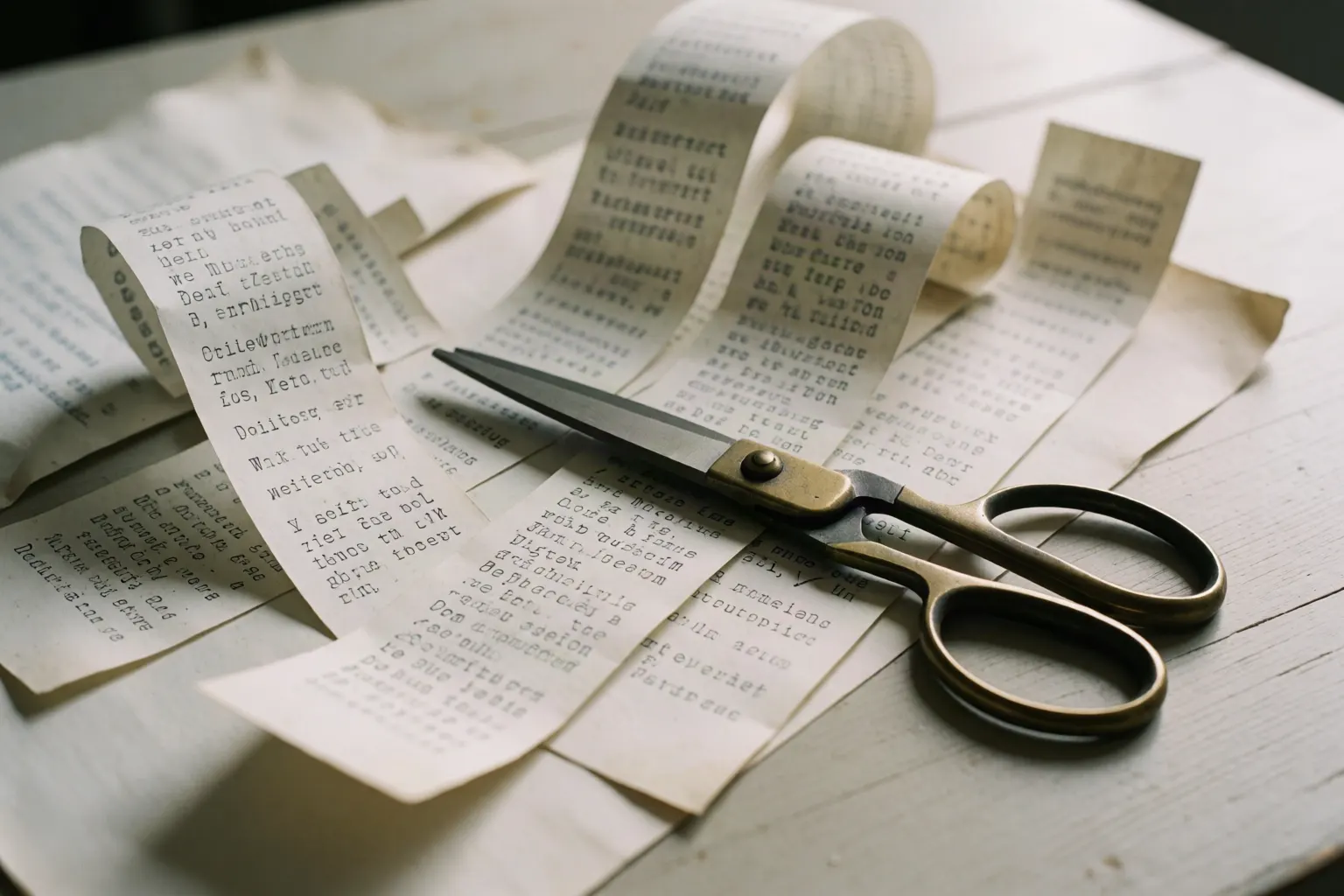
  • Photography is quiet documentary film photography of the writer's world (desk, manuscript, harbour, a reading chair) plus one real portrait of the writer. Generate it; never hot-link stock.
  • Keep the subscribe form one email field plus one button, repeated in the sticky bar and the inverted closing band, promise no tracking, and keep every colour on --ca-* tokens so the page recolours under any preset.

Ships with

  1. Sticky masthead bar: Latest / Archive / About / Paid edition on the left, centred serif "Inkwell" wordmark, Sign in and an ink-blue Subscribe button
  2. Split hero: oxblood eyebrow, "One good letter, every Sunday at seven." (Sunday in ink-blue italic), serif lede, email + "Subscribe free", the no-tracking fine print and a "Join 12,847 readers" line with the writer's photo; right, this Sunday's issue No. 148 "Write the ending first" as a paper card with photograph, date, reading time, dek and byline
  3. Figures strip: 12,847 readers in 61 countries, 148 Sundays none missed, 64% open every letter, 1,912 paid subscribers
  4. Latest letters: three issues (147, 146 Paid, 145) with photographs in a grid divided by dotted column rules, plus a link to the archive
  5. Every Sunday: what lands at 7 a.m., a numbered list of the essay, the shelf, letters back and the monthly paid workshop
  6. The writer: portrait of Marlow Reade at her window desk, a large serif first-person bio, a facts table (Margate, letter No. 1 January 2024, novel The Salt Year 2022, replies) and her signature
  7. Letters back: three reader quotes in serif with name and role
  8. Plans: Free £0, Paid £6 a month or £60 a year (outlined, "Chosen by most paid readers"), Founding £150 a year, with feature lists and a note that the essay stays free
  9. Archive index: issue number, date, title, Paid tag and reading time, linking to all 148 letters
  10. FAQ accordion (first item open) and an inverted ink closing band with next Sunday's date and the subscribe form
  11. Footer: wordmark, Read / Subscribe / The writer columns, signed "Posted from Margate every Sunday at 7 a.m."

Keep looking. More from the library, content first.

Browse all
ContentEditorialA work-first portfolio for an independent art director, in the register of Pentagram and Collins: a short serif statement over one full-width featured project, a tight 12-column grid of mixed-size project images with plain two-line captions, a project index on hairlines, a dark case-study band, services with starting prices, an about with a portrait and a large mail link.ContentCampusA cohort course page in the register of Maven and Coursera: a navy hero with an enrol card (video, dates, price, seats), a key-facts row, outcomes and skills, a week-by-week syllabus, real project outputs, a weekly timetable, the instructor, graded reviews, cohort and self-paced prices, upcoming cohorts and an FAQ.ContentPressThe website of an independent weekly culture magazine, in the register of The Atlantic and The New Yorker: a centred wordmark masthead, a three-column front with a centred lead story, this week’s painted cover beside its contents, a culture row, a dark long-read feature, Most Popular with a newsletter sign-up, dispatches and a two-plan subscription offer.ContentMarginA writer's personal site and digital garden in the register of Maggie Appleton and Craig Mod: one large serif sentence about who she is, essays as photographed cards beside a list of notes tagged seedling, budding or evergreen, the book she is writing with its real progress, patterns, a library of typeset covers, a Now page, an About with her portrait and work elsewhere, and two email lists.ContentFrameA video-first studio site for a filmmaking YouTube channel, in the register of MKBHD, Kurzgesagt, Mark Rober and Nebula creator pages: the latest upload full-bleed with its chapters, plain channel figures, a row of thumbnails, two series, the kit with prices, a shop, a members tier table, a sponsor sheet with audience data, the studio and a newsletter.ContentEmberA Portland grant-maker in the register of Wellcome, MacArthur and the Gates Foundation: a stone-paper page with a grotesk/serif pairing, a captioned documentary hero, an "in numbers" band, programme cards, a featured annual review, a filterable committed-grants register, funding opportunities with status and deadline, a president's letter, insights and a CSS-only gift picker.MarketingAuroraA near-black, product-first SaaS landing in the register of Linear and Vercel: a big Inter headline over the real app built in HTML, numbered chapters (1.0 Previews, 2.0 Releases, 3.0 Analytics) each opening on a working UI fragment, isometric FIG figures, photographed customer proof and a plain pricing table.MarketingWarm ArtisanA quiet, editorial site for a sourdough bakery in the register of Poilâne and Tartine: a full-bleed oven-mouth hero with a live oven panel, product cards shot on linen, a ruled daily board with sell-out times, the shopfront at dawn, a 46-hour loaf timeline and a pre-order form.BookingSharp FadeAn editorial barbershop site in the register of Fellow Barber and Murdock London: bone ground, a literary serif and tracked small caps, documentary photography, a price list with minutes, barbers with their next free slot and a real CSS-only booking panel.DashboardCockpitA product-analytics board in the register of Mixpanel, Amplitude and PostHog: a Linear-style sidebar, filter chips, a written weekly summary, KPI cells, an annotated trend, a breakdown, a funnel, retention curves, a cohort heatmap, an accounts list and an annotation feed.The libraryAll 104 templates.Every category — stores, booking, portfolios, dashboards — in real code.

Make it yours in minutes.

Start from this template and describe your tweaks — content, sections, colours. The backend and deploy are handled.