code-anything.com
Sign inStart free
Developer

Trail

A near-black product changelog in the register of Linear, Vercel and Raycast: a plain "Changelog" title with area tabs, a timeline with a sticky date / version / author column on a hairline rail, large launch renders and CSS-drawn product UI per release, collapsible Improvements / Fixes / API lists, a dense earlier-releases list and a subscribe card.

Product changelogs & release notes

changelog-site.code-anything.app

Changelog

New features, improvements and fixes in Trail. Shipped every week, written by the engineers who built them.

Latest v3.6.0 · Nov 5, 202641 releases in 2026● 1.6 days from merge to notes

v3.6.0LatestProductMaya, Jonas

Saved views
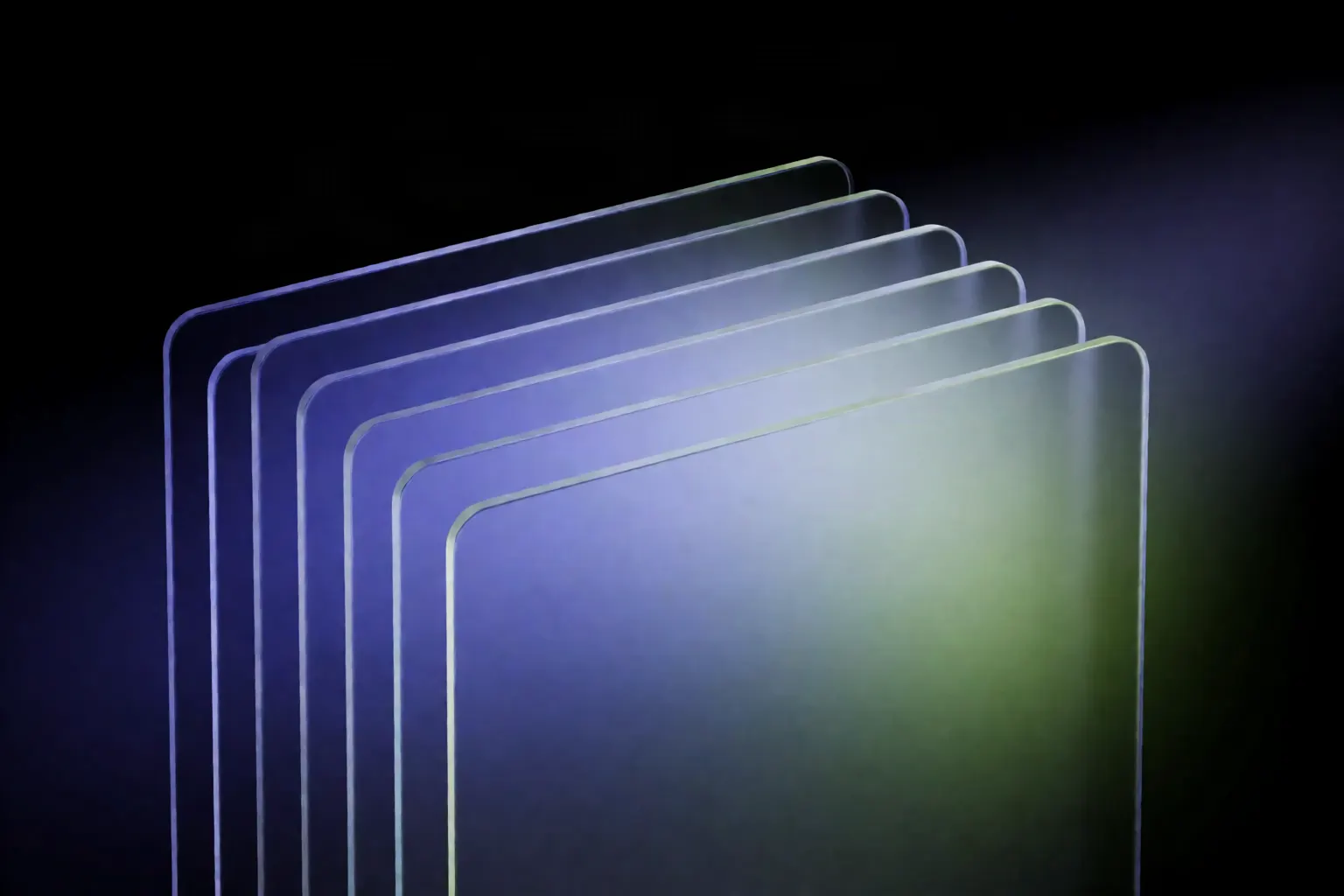
Launch art for saved views: a stack of thin frosted glass panes standing one behind another, lit indigo and green on black

Save any combination of filters, grouping and ordering as a named view, then share a link that opens exactly what you see, down to the collapsed groups.

Private, team or workspace

Keep a view to yourself while you tune it, publish it to your team, or pin it for the whole workspace. Views follow the project, so a new teammate starts with the same triage queue as everyone else.

The Triage view, saved once and shared by link with the whole support rota.

Open a view from anywhere

Press V to switch views, ⇧ V to save the current one, or open it from the terminal with trail open --view triage. Read more in the views guide.

Improvements 4
  • The view switcher remembers the last view you opened in each project.
  • Grouping by assignee now shows unassigned issues first.
  • Filter chips can be reordered by dragging.
  • Sub-issues inherit the parent's cycle when created from the board.
Fixes 5
  • Fixed CSV export dropping the last column when a custom field was empty.
  • Fixed the board scrolling back to the top after closing an issue.
  • Fixed emoji reactions not syncing between the desktop and web apps.
  • Fixed due dates showing a day early for workspaces west of UTC.
  • Fixed a crash when pasting a table with merged cells into a description.
API 2
  • New views query and viewCreate mutation.
  • issues accepts a viewId argument that applies the saved filters.
v3.5.0MobileAna, Tomás

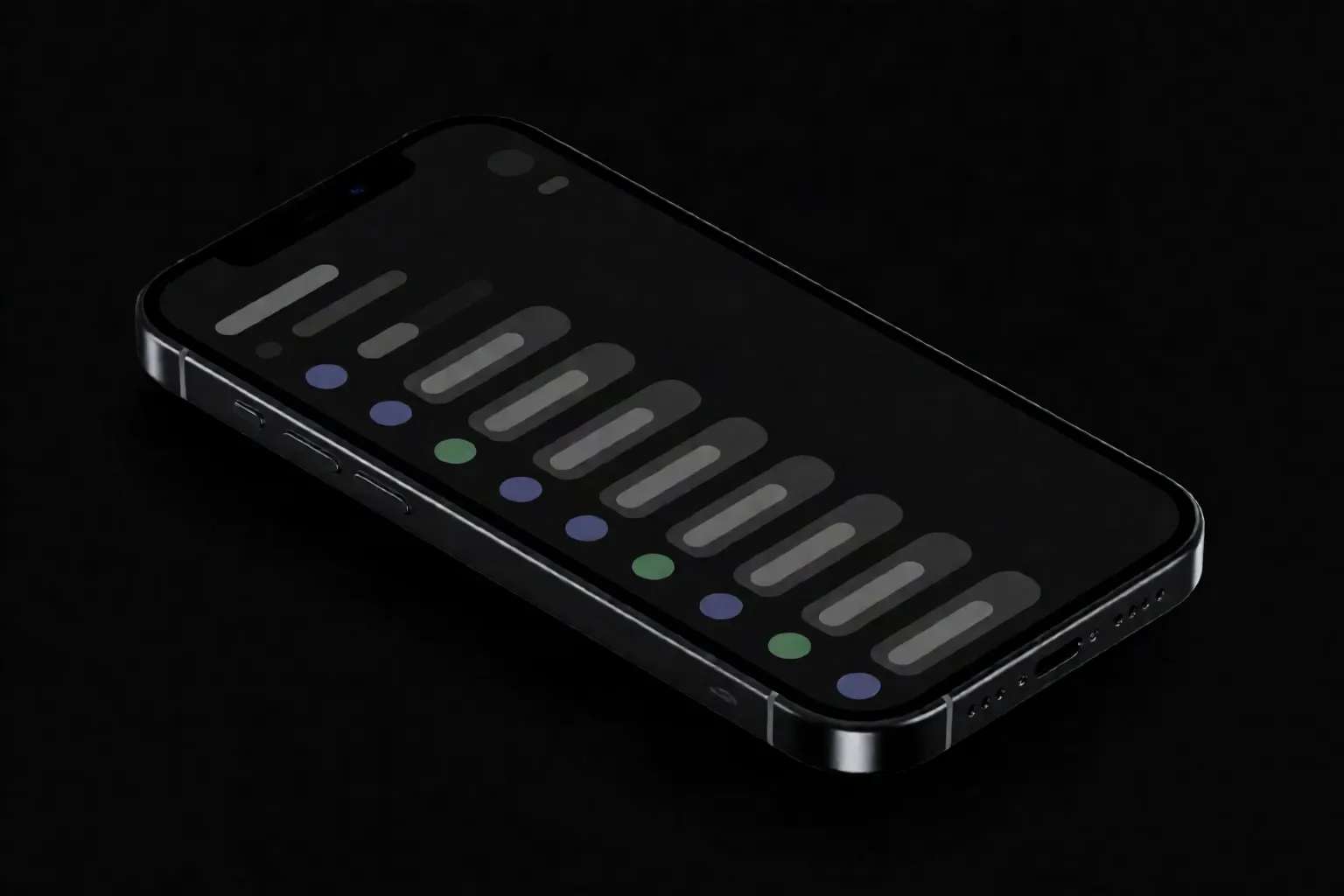
Trail for iOS and Android

A black smartphone lying at an angle on black, its screen showing Trail's dark issue list with indigo and green status dots

The mobile apps are out of beta. Everything you need to keep work moving when you are away from your desk:

  • Triage your inbox: swipe right to assign yourself, left to snooze until tomorrow.
  • Comment, react and resolve threads, with the same Markdown as desktop.
  • Push notifications grouped per issue, muted outside your working hours.
  • Home-screen widgets for My issues and the current cycle.

Both apps sync through the same engine as desktop, so a change made on the train is there when you open your laptop.

Improvements 3
  • Issue lists open 2× faster on cold start.
  • Images in descriptions can be pinched to zoom.
  • Dark mode follows the system setting.
Fixes 2
  • Fixed the keyboard covering the comment field on smaller Android phones.
  • Fixed notifications opening the inbox instead of the issue.
v3.4.0ProductLéa

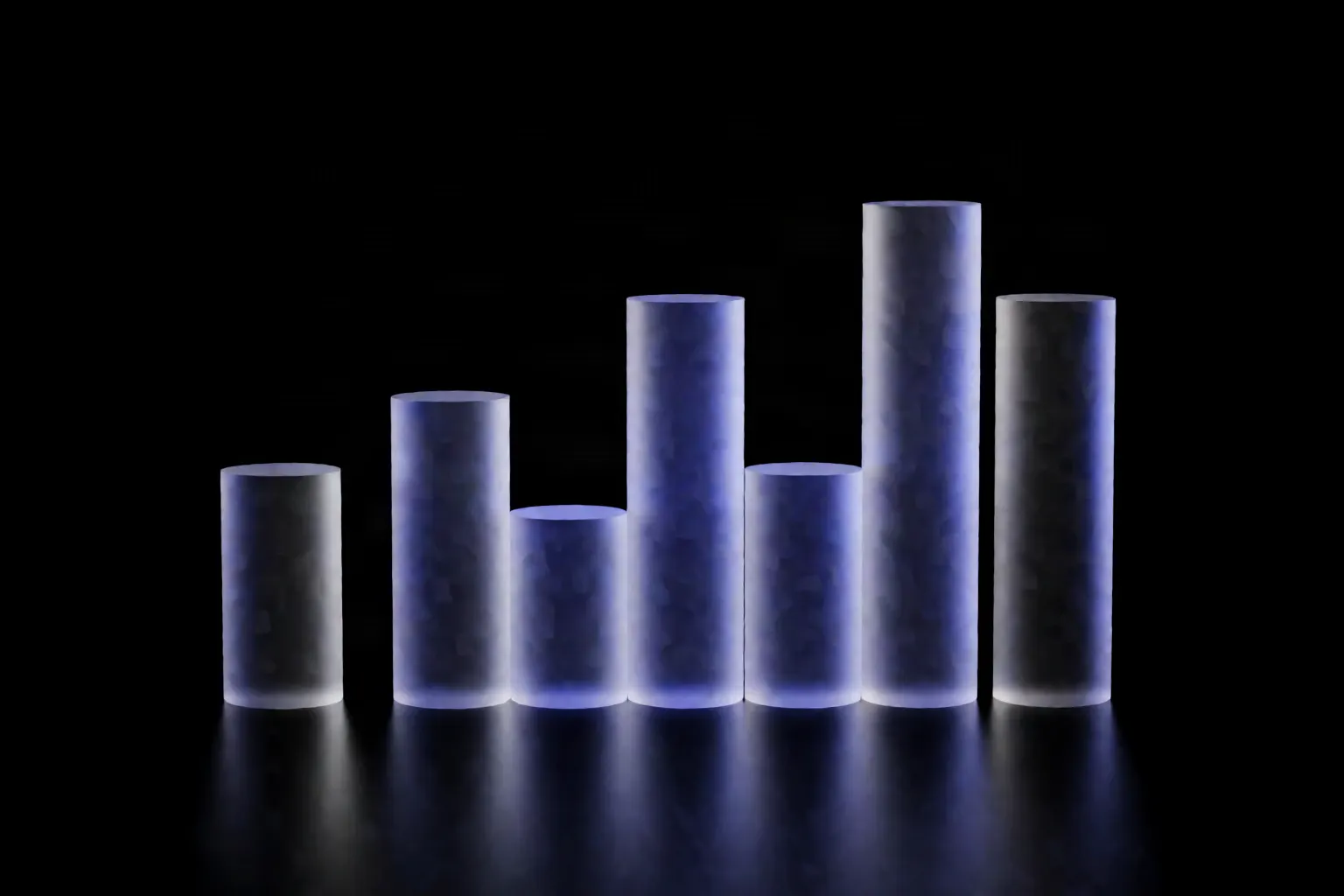
Cycle insights

Launch art for cycle insights: seven frosted glass columns of different heights, lit indigo from behind on a black reflective floor

Every cycle now closes with a one-page report: what was planned, what changed scope, what shipped and what carried over. It is generated from the issue history, so nobody has to write it.

  • 87%completed in cycle 42
  • +6issues added after start
  • 3carried to cycle 43

Insights are on for every team on the Standard plan and above. Reports can be exported as Markdown or posted to a Slack channel when the cycle ends.

Fixes 3
  • Fixed cycle burndown ignoring the weekend toggle.
  • Fixed estimates of sub-issues being counted twice.
  • Fixed the cycle picker skipping cooldown weeks.
v3.3.0IntegrationsJonas, Tomás

Stacked pull requests from GitHub

Issues now show the whole stack of pull requests that implements them, in merge order, with the branch status from GitHub. Merging the last pull request in a stack moves the issue to Done.

Connect the GitHub integration from Settings → Integrations. Existing links are back-filled for the last 90 days.

Improvements 3
  • Draft pull requests no longer move issues to In review.
  • Branch names can include the issue title as a slug.
  • GitLab merge requests show the same stack view.
v3.2.4APIMaya

Webhooks for issue events

Subscribe to issue.created, issue.updated and issue.deleted from Settings → API. Every delivery is signed with an HMAC header and retried with backoff for 24 hours.

POST 200 · issue.updatedpayload.json
// Trail-Signature: t=1789046400,v1=5f2c…
{
  "type": "issue.updated",
  "issue": {
    "id": "TRL-2148",
    "state": "in_progress",
    "priority": 2
  },
  "changes": { "state": ["todo", "in_progress"] }
}
Fixes 2
  • Fixed release dates falling back to UTC instead of the workspace time zone.
  • Fixed updatedAt not changing when only a label was removed.

Earlier releases

Every release since v1.0.0, January 2024.

Get the changelog in your inbox.

One email when a minor version ships. Patch releases roll into the next one. Unsubscribe in one click.

About Trail. The changelog of a tool engineers respect: near-black, white type, a dated rail, one big visual per release and every fix listed honestly.

Trail is the public changelog of a project-tracking product, modelled on how the category leaders (Linear, Vercel, Raycast) publish theirs: the page is quiet so the releases carry it. A plain Inter Tight "Changelog" title sits over a mono meta line (latest version, releases this year, merge-to-notes time) and a row of area tabs, built from radio inputs that filter the log with :has() — no JavaScript. Each release is a two-column row on a hairline rail: a sticky left column with the date, a mono version chip, the area and the authors' avatars, and a 40em reading column with the title, one large visual (a launch render on black, a crisp CSS-drawn UI of the shipped feature, or a signed webhook payload), plain prose with subheads and keyboard hints, and collapsible Improvements / Fixes / API lists. The latest release's dot is indigo and pulses; green means shipped. Earlier releases collapse into dense rows, then a subscribe card with RSS / Atom / JSON Feed / Slack links and a plain footer with a status line.

Colours and type. The palette, fonts and corners every page of Trail is drawn from.

bg#08090A
surface#111214
text#F7F8F8
muted#8A8F98
accent#7C84F0
accent2#4CB782
border#1F2125
Headings

Inter Tight

Body

Inter

Radius

12px

The system, applied to any site. Every rule below travels with the template — describe your tweaks and the agent keeps the system intact.

What it decides for you

  • Follow the register of the category leaders (Linear's, Vercel's and Raycast's changelogs): a plain "Changelog" title, a single dated timeline, one strong visual per release and plain prose. No marketing hero, no illustrations, nothing playful.
  • Near-black ground (#08090A), panels a step lighter (#111214), white type, muted #8A8F98 for dates and metadata; one indigo accent (#7C84F0) for the latest release, links and focus, one green (#4CB782) only for "shipped" states (merged, 200 OK, systems operational).
  • Each release is a two-column row: a sticky 15em left column on a 1px hairline rail (dot, date, mono version chip, area, author avatars) and a 40em reading column. On phones the column becomes one inline meta row above the title and the rail disappears.
  • Inter Tight 600 with tight tracking for the title and release headlines, Inter for prose at ~17px with 1.68 line height, Geist Mono for versions, counts, code and keyboard keys; figures tabular.
  • Visuals are product evidence: a launch render on black, a crisp CSS-drawn UI of the shipped feature with real copy, or a real payload with signature header. Generate renders; never fake UI as a blurry image when it can be drawn in CSS.
  • Secondary changes go into collapsible <details> groups (Improvements, Fixes, API) with counts, never a badge on every bullet. Fixes are written as "Fixed …".
  • CSS-only interaction: area tabs are radio inputs that filter releases and earlier rows with :has(); the latest dot pulses and stops under prefers-reduced-motion.
  • Colours come only from the --ca-* tokens and color-mix(), so the page recolours under any preset.

Ships with

  1. Sticky translucent nav: Trail mark, Product / Method / Customers / Pricing / Changelog (current), Log in and a white Sign up pill
  2. Page head: "Changelog" title, one-line lede, Subscribe and RSS buttons, a mono meta line (latest v3.6.0 · Nov 5, 2026, 41 releases in 2026, 1.6 days from merge to notes)
  3. Area tabs (All 11 / Product 4 / Mobile 2 / Integrations 3 / API 2) as CSS-only radio filters, with a search field on wide screens
  4. Timeline release: Saved views (v3.6.0, latest) with a glass-pane launch render, prose with subheads, a CSS-drawn issue list with saved-view tabs and filter chips, keyboard hints and a CLI command, and Improvements / Fixes / API lists
  5. Timeline release: Trail for iOS and Android with a phone render and a bullet list
  6. Timeline release: Cycle insights with a glass-column render and a three-figure report strip
  7. Timeline release: Stacked pull requests from GitHub with a CSS-drawn PR stack card
  8. Timeline release: Webhooks for issue events with a syntax-coloured signed payload
  9. Earlier releases: dense rows (date, title, area, version) and a Show more button
  10. Subscribe card with email form and RSS / Atom / JSON Feed / Slack / X links
  11. Footer: mark, four link columns, copyright and a green "All systems operational" status

Keep looking. More from the library, developer first.

Browse all
DeveloperInsight DocsA Quickstart page for a search API in the register of Stripe Docs and Mintlify: search-first top bar with Ask AI and product tabs, grouped sidebar, a "what you'll build" preview beside an integration-effort card, numbered steps with real code (your test key filled in), annotated code with a legend, the ranked response, a reference-style parameter list, an error table, next-step cards and an On-this-page rail.DeveloperForgeA Stripe-grade landing for a payments API: real product UI floating over a skewed gradient ribbon, a customer wordmark wall with scale figures, a four-product suite where every card carries its own working UI, a navy developer band with tabbed code and a changelog, an idempotency request log, published uptime beside infrastructure photography, customer stories with their numbers, per-charge pricing and an error-reference FAQ.DeveloperBeaconA crisp, light landing page for the Beacon deploy CLI in the register of Bun and Warp: a heavy condensed headline beside a tabbed benchmark chart with its method printed, a black install box with platform tabs, a customer wordmark row, four command cards, a step list that drives a real terminal session, release notes with numbers, engineers running it in production, and a checksum table beside exit codes.DeveloperUptimeA calm public status page in the register of Atlassian Statuspage and incident.io: the active incident first, a component board with 90 day bars per component, scheduled maintenance, CSS-tabbed system metrics, probe regions, a day-by-day incident log, postmortems and subscribe channels.DeveloperNimbusThe project site of a 3.1 kB reactive-state library, in the register of Tailwind CSS and Astro: a white blueprint-grid page with a huge headline, install command and black Get started pill, a dark editor beside the cart UI it renders, project figures, a reproducible benchmark chart, a feature bento, CSS-only framework tabs, a one-screen API, release notes, the community and conference, and a sponsor grid with the monthly money.DeveloperStrandlineA near-black product page for a serverless Postgres with vector search, in the register of Neon, PlanetScale and Supabase: a light-strand hero with an install command and four figures, numbered chapters (01 Query with a real SQL console, 02 Branch with a branch graph and CLI session, 03 Replicate with the replication helix and an 18-region lag ledger), a benchmark with its method, photographed NVMe hardware beside a spec sheet, a customer quote, a plan table with usage rates and compliance, an FAQ and a closing terminal.MarketingAuroraA near-black, product-first SaaS landing in the register of Linear and Vercel: a big Inter headline over the real app built in HTML, numbered chapters (1.0 Previews, 2.0 Releases, 3.0 Analytics) each opening on a working UI fragment, isometric FIG figures, photographed customer proof and a plain pricing table.MarketingWarm ArtisanA quiet, editorial site for a sourdough bakery in the register of Poilâne and Tartine: a full-bleed oven-mouth hero with a live oven panel, product cards shot on linen, a ruled daily board with sell-out times, the shopfront at dawn, a 46-hour loaf timeline and a pre-order form.BookingSharp FadeAn editorial barbershop site in the register of Fellow Barber and Murdock London: bone ground, a literary serif and tracked small caps, documentary photography, a price list with minutes, barbers with their next free slot and a real CSS-only booking panel.DashboardCockpitA product-analytics board in the register of Mixpanel, Amplitude and PostHog: a Linear-style sidebar, filter chips, a written weekly summary, KPI cells, an annotated trend, a breakdown, a funnel, retention curves, a cohort heatmap, an accounts list and an annotation feed.The libraryAll 104 templates.Every category — stores, booking, portfolios, dashboards — in real code.

Make it yours in minutes.

Start from this template and describe your tweaks — content, sections, colours. The backend and deploy are handled.