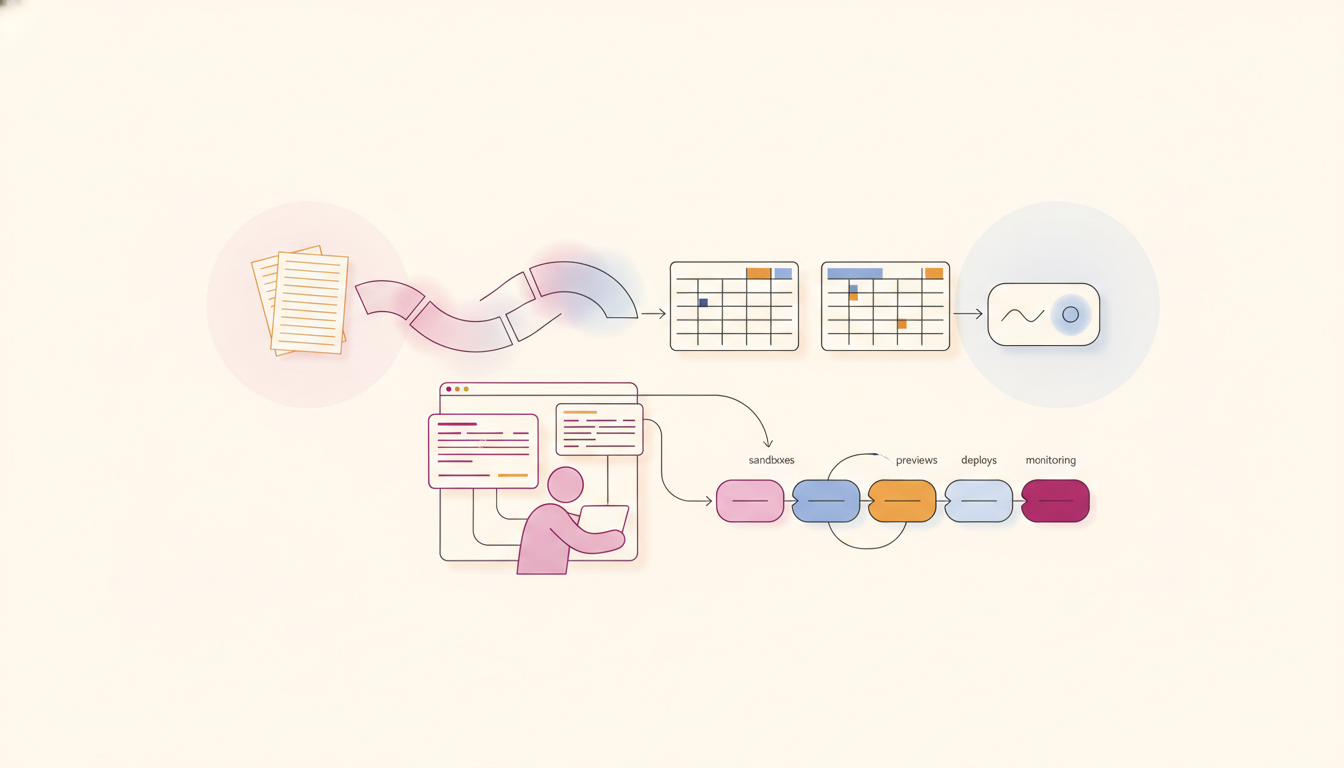
To go from prototype to production, you need a managed backend for AI apps that handles data, auth, and payments reliably. Relying on demo tools leaves you with technical debt that slows scaling and exposes security risks.
Key takeaways
- Start with a dedicated database like Postgres from day one to avoid schema migrations later.
- Use established auth providers to avoid handling passwords yourself and reduce liability.
- Monitor logs and latency continuously to catch infrastructure issues before users report them.
Why is a managed backend for AI apps crucial for success?
Prototypes work until they fail under real load. A managed backend for AI apps abstracts infrastructure so you focus on application logic. It ensures security and scalability without requiring a dedicated DevOps team immediately.
When you build with no-code tools, you often trade flexibility for speed. Once you need custom logic or specific compliance standards, hitting walls becomes common. A dedicated backend allows you to define schema, access control, and data retention policies explicitly. We recommend treating infrastructure as code. This means versioning your database schema and secrets just like your application code. It reduces the risk of manual errors during deployment and makes auditing easier for security teams.
What are the core components of a managed backend?
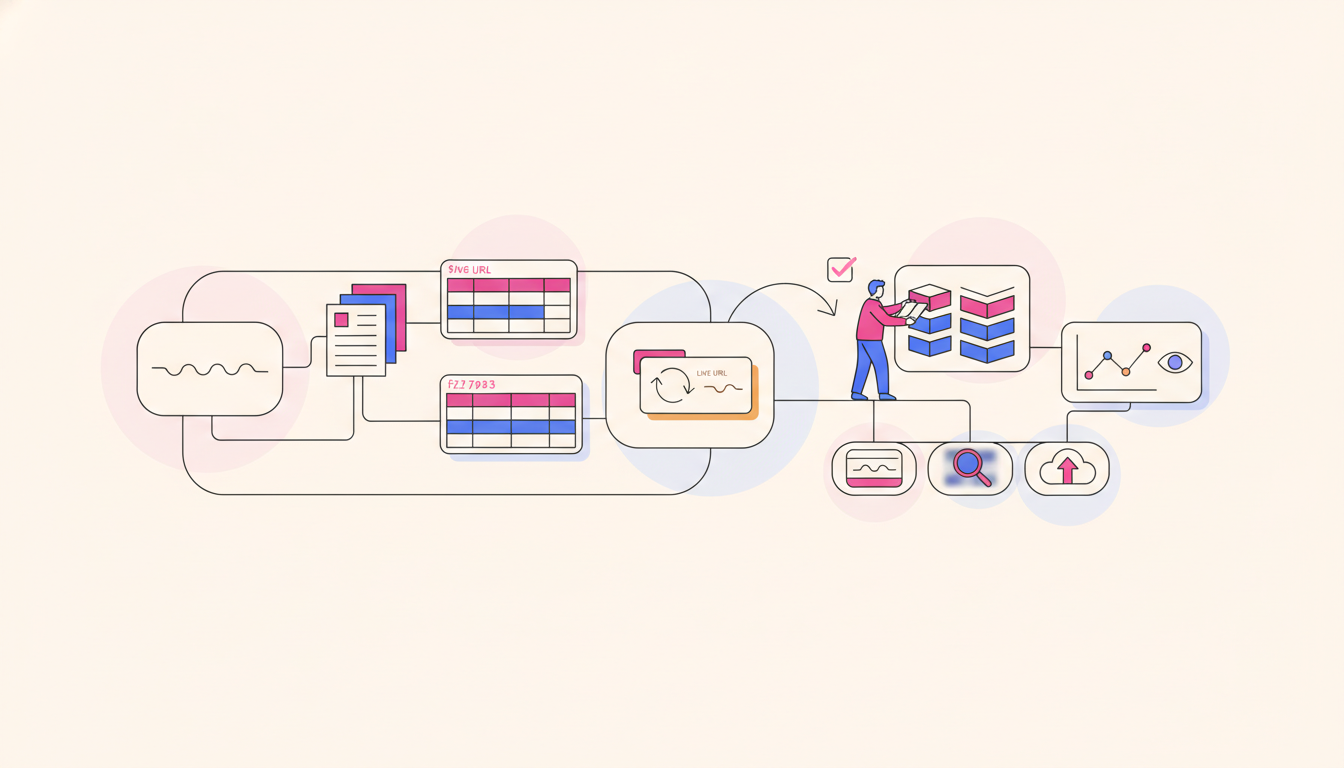
You need four pillars: database, identity, communication, and transactions. These form the backbone of any serious application. Missing one creates friction or security holes that compromise user trust and system stability.
Ignoring any of these forces you to build them from scratch, which is error-prone. A managed approach ensures each component meets industry standards out of the box. For example, handling email delivery requires IP reputation management that is hard to replicate manually. Payments require strict adherence to security standards that change frequently. Using integrated services keeps you compliant without constant legal review.
| Component | Self-Hosted Complexity | Managed Service Benefit |
|---|---|---|
| Database | High (backups, scaling) | Automated scaling and failover |
| Authentication | High (password storage) | Secure OAuth and session management |
| Medium (deliverability) | Inbox placement and bounce handling | |
| Payments | High (PCI compliance) | Tokenization and regulatory handling |
Why use Postgres for scalable AI applications?
Postgres remains the default for relational data in AI apps. It handles JSONB for model outputs and relational data for user states. This hybrid capability reduces complexity.
In 2026, most AI workflows still rely on structured user profiles alongside unstructured generation history. Postgres supports vector extensions natively, allowing you to store embeddings without a separate database. This simplifies your architecture significantly. You can query based on similarity and user permissions in a single transaction. Consistency across data types is vital for maintaining accurate user states. We often see teams introduce separate vector stores too early, complicating transactions and increasing latency unnecessarily.
How do you secure your AI app with advanced authentication?
Don't store passwords. Use OAuth or magic links via a dedicated auth service. This reduces liability and improves user experience across devices.
Managing your own session tokens is a common source of vulnerabilities. A managed solution handles token rotation and revocation automatically. You can enforce multi-factor authentication without writing custom UI. For business users, role-based access control (RBAC) is essential. It ensures that employees only see data relevant to their function. This limits the blast radius if credentials are compromised. Always audit login attempts and flag unusual activity patterns immediately.
How do you integrate email and payment gateways?
Email and payments require verified domains and compliance. Integrated services handle bounce rates and PCI standards so you don't have to.
Transactional emails must reach the inbox, not spam folders. Managed services maintain sender reputation and provide templates for verification. For payments, webhooks are critical for updating order status securely. Never trust client-side confirmation alone. Always verify signatures on incoming webhook events. This ensures that revenue data matches what actually cleared. Failure to validate webhooks can lead to duplicate processing or lost revenue.
What is the process for deploying and monitoring AI apps?
Deploy via CI/CD pipelines with automated tests. Monitor error rates and API latency to ensure stability. Alerts should trigger before users complain.
Continuous integration is non-negotiable for production systems. Every change to your backend or frontend should run tests before merging. For monitoring, track request latency and error codes specifically. If your AI model times out, users should see a graceful fallback, not a generic crash. Set up dashboards that show real-time traffic. This helps you scale resources dynamically. We use automated scripts to rotate secrets and update dependencies to reduce manual overhead.
What are the AI app security best practices in 2026?
Security in 2026 includes protecting prompts and PII. Encrypt data at rest and in transit. Audit logs are mandatory for compliance.
Beyond standard web security, AI apps face unique threats like prompt injection. Always sanitize user input before sending it to a model. Sanitization limits what a user can instruct the model to do. Additionally, log who accessed which data and when. This traceability is required for many enterprise contracts. Regularly review permissions and remove unused API keys. Security is an ongoing process, not a one-time setup before launch.
If you are ready to move beyond prototypes and start building with confidence, explore our resources at code-anything.com for practical guides on backend architecture.
FAQ
Is a managed backend for AI apps worth the cost for startups?
Yes, it reduces initial engineering overhead significantly. You avoid spending months building auth and payment systems from scratch. This lets you focus on your unique value proposition.
Can I migrate from a demo platform to a real backend later?
It is difficult if you rely on proprietary data structures. Design your data schema early even if you use no-code tools. Export data regularly to avoid vendor lock-in.
What authentication methods should I support in 2026?
Support email magic links and social OAuth. Multi-factor authentication should be mandatory for admin accounts. Avoid password-only flows for sensitive operations.
How do I handle AI model latency in production?
Use asynchronous processing for long-running generation tasks. Return a task ID immediately to the client. Poll for results via a secure endpoint to maintain smooth user experience.
Are vector databases still necessary for AI applications?
Not always. Modern relational databases handle vector search well for small to medium datasets. Evaluate your scale before adding separate infrastructure. Simpler stacks reduce operational risk.